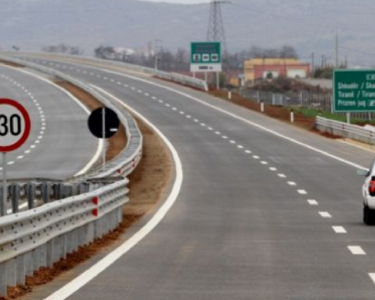

The organization of the Mediterranean Games has shown in the countries that have previously hosted them that the benefits are not only sporting but also economic. Investments in the construction and improvement of sports infrastructure, such as stadiums, gyms, and training centers, serve as a catalyst for the development of host cities. In addition, the increase in foreign visitors and international media stimulates local businesses, from hotels and restaurants to transportation and tourism services.
Another important benefit is the creation of jobs, both during the construction of facilities and during the development of the sporting event. Economic experts emphasize that these events strengthen the international image of the country, increase foreign investment, and promote long-term tourism development. For countries that have hosted the Mediterranean Games, this has often served as a boost for modernizing infrastructure and strengthening the local economy.
Since their establishment in 1951, the Mediterranean Games have been organized in many countries along the Mediterranean coast. Some of the countries that have hosted these events include Italy, Spain, France, Greece, Turkey, Tunisia, Algeria, Albania, Croatia, and Egypt. Each of these countries has used the event to strengthen tourism and the local economy, showing that hosting the Mediterranean Games has a long-term impact.
Kosovo, which will host the Mediterranean Games in 2030, has similar opportunities. In addition to sporting prestige and promoting the country, the event can bring increased investments, infrastructure development, and the creation of new jobs. Experts predict that preparing for and hosting these games could be a major boost for Kosovo’s tourism and economy, placing the country on the international map of sports and tourism.
KosovaPress