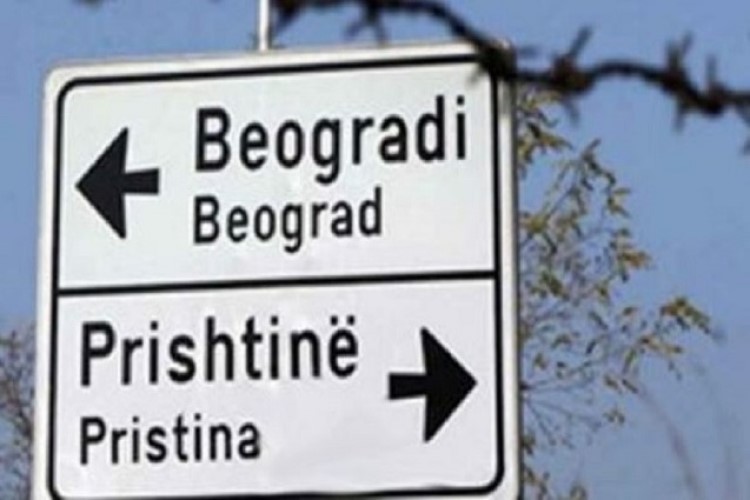
The dialogue between Kosovo and Serbia remained stalled throughout 2025, with no visible progress, experts on the process say, citing internal political developments in both countries and a lack of stronger engagement by the European Union. According to them, the failure to form institutions in Kosovo, and the political turmoil in Serbia have caused the process to stagnate. At the same time, calls have been made for the European Union to address several preconditions toward Serbia, including accountability for those responsible for the terrorist attack in Banjska, as well as Serbia’s intensive lobbying against Kosovo’s membership in international organizations.
Nevertheless, dialogue at the level of chief negotiators did take place. Kosovo’s Deputy Prime Minister and chief negotiator Besnik Bislimi and his Serbian counterpart Petar Petkovic met twice in Brussels during the year, but without reaching agreement on concrete steps toward implementing the Brussels Basic Agreement and the Ohrid Annex, reached by the parties in 2023.
Once again, the European Union is being urged to address certain preconditions toward Serbia, including responsibility for the Banjska terrorist attack and its intensive lobbying against Kosovo’s membership in international organizations.
Former Kosovo chief negotiator in the dialogue, Avni Arifi, told KosovaPress that no progress could have been made during 2025, as the government was serving in a caretaker capacity and therefore lacked legitimacy.
Meanwhile, GLPS researcher Arbëreshe Loxha told KosovaPress that the European Union must carefully analyze Serbia’s behavior in order for progress to be made in the dialogue. She mentioned Serbia’s refusal-based approach and its lobbying against Kosovo’s membership in international organizations, as well as the terrorist attack in Banjska, which she described as a violation of the Ohrid Agreement.
Meanwhile, yesterday, acting Prime Minister Albin Kurti said in an interview for KosovaPress that for the dialogue to continue, chief terrorist Milan Radojicic must be handed over to Kosovo’s security authorities.
KosovaPress also sent questions to the European Union regarding the future of the dialogue, but no response has been received.
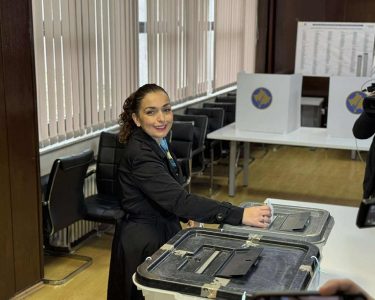
Kosovo held early parliamentary elections on December 28. Based on preliminary results, the Vetëvendosje Movement won over 49 percent of the vote and is expected to form a government in coalition solely with non-majority communities.
Kosovo and Serbia reached agreement on the Brussels Agreement and the Ohrid Annex in 2023, but to date, the agreement has not been implemented.
During the mandate of the Kurti Government, Kosovo and Serbia held a series of meetings at both the leaders’ level and the chief negotiators’ level, but the parties failed to agree on implementation of the agreement.
Part of this agreement is also the establishment of the Association of Serb-majority Municipalities, but the Government of Kosovo has not taken any steps toward its implementation. Despite requests from international actors for the EU draft to be sent to the Constitutional Court, the Government has stated that the draft is a “non-paper” document and, as such, will not be submitted to the Constitutional Court. /KosovaPress/