Serbian narratives are also penetrating artificial intelligence and ChatGPT
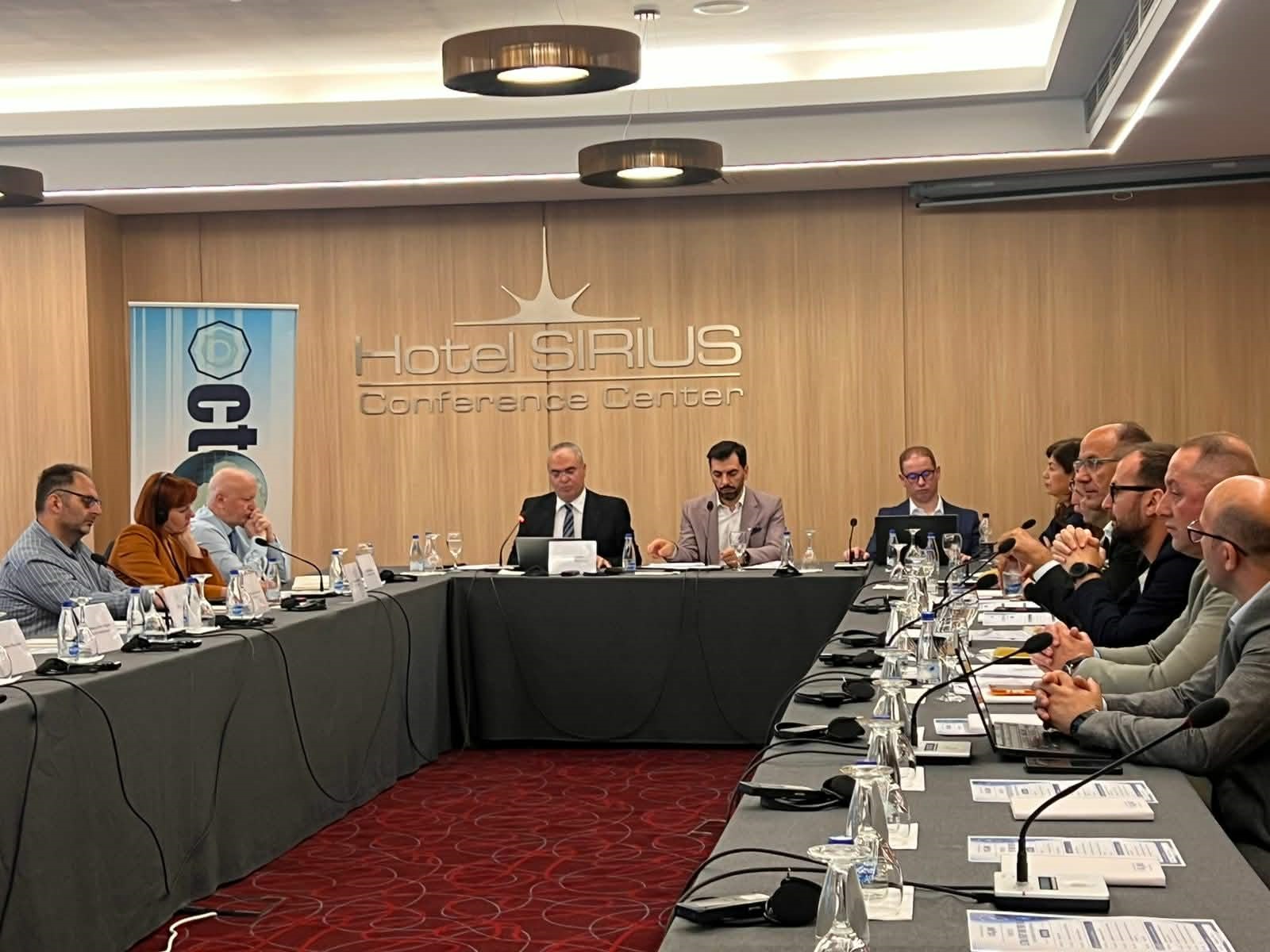
The Institute for Hybrid Warfare Studies “Octopus” organized the 2026 Forum on the theme “Electoral Integrity in the Face of Hybrid Threats: Security Implications of Foreign Interference”, where local and international experts discussed the risks posed by hybrid interference and disinformation in electoral processes.
The director of the “Octopus” Institute, Arben Fetoshi, said that recent cases in Europe have demonstrated the serious consequences of hybrid interference and the importance of preventive measures.
In the first session of the forum, former Central Election Commission chairwoman Valdete Daka stated that elections are a complex process requiring increased attention, including in terms of security during organization.
According to her, the Central Election Commission has continuously faced interference attempts from Serbia, especially in northern Kosovo.
Daka said that pressure against Serbian candidates who were not part of the Serbian List was also concerning.
From the Kosovo Police, Vëllaznim Sordolli said the police are taking concrete actions to address electoral security challenges.
Meanwhile, hybrid warfare expert from Hibrid.info, Festim Rizanaj, spoke about disinformation narratives during election campaigns.
"Narratives are declared or in some form included in public discussion by key representatives or institutional officials in Serbia. The main protagonist here is Petar Petkovic, head of the Office for Kosovo in the Government of Serbia. At the same time, these narratives are also promoted by Danijela Nikolic, chairwoman of the Committee for Kosovo in the Serbian Parliament. Another figure involved in creating these narratives is Velko Odalovic, chairman of the Commission on Missing Persons. At the same time, Milovan Drecun, chairman of the Parliamentary Security Committee, and Vucevic, head of the Serbian Progressive Party, are also involved. Based on previous practices, it is expected that the President of Serbia will also amplify the same narratives during the campaign, along with other Serbian officials at the highest levels.
These narratives circulate through interviews that are then spread by news agencies such as Tanjug and amplified by newspapers like Informer and Večernje Novosti. They are also spread by Serbian-language media operating in Kosovo, where the main protagonist is Kosovo Online. The worst part is that Kosovo Online translates its content into Albanian so these narratives can also penetrate Albanian-language discourse, although the main target remains the Serbian community in Kosovo.
Another danger is that these narratives in Serbian can also influence the digital sphere. During Google searches related to elections in Kosovo, these Serbian-language narratives penetrate the digital space and even affect artificial intelligence systems. If searches are conducted in Serbian, Google’s AI Overview refers to these citations and references, amplifying them. They can also spread into different chatbots, including ChatGPT, DeepSeek and others,” he said.
According to him, some of the narratives are related to claims of “institutional terror”, “political arrests”, manipulation of the electoral process and the influence of diaspora votes on election results.
Dr. Iryna Synelnyk also spoke about Russian-Serbian synchronization in electoral interference, saying that Russian interference in elections is a long-term strategy aimed at damaging democracy through disinformation and involvement in electoral processes.
According to her, institutions should work more on preventing such attacks and raising citizens’ awareness about hybrid threats.