At a time when economies are facing global uncertainty and pressure for deep reforms, the way public finances are managed becomes decisive for a country’s long-term stability and development. For Kosovo, this is not only a technical issue; it is a concrete test of the ability to build trustworthy institutions and to move closer to European standards.
From the challenges of public financial management to alignment with European Union standards, Kosovo’s path toward a more sustainable financial system requires not only good policies, but also strong implementation and resilient institutional capacities.
In this context, the Center of Excellence in Finance (CEF) emerges as a key partner for countries in the region, helping to transform reforms from strategic documents into concrete results. Through cooperation with public institutions and specialized programs, CEF has directly contributed to improving financial governance and increasing professionalism in public administration.
Kosovo, actively involved in these processes, has made significant steps toward fiscal reforms and European integration. However, challenges remain — from strengthening transparency and accountability, to developing human and institutional capacities and institutionalizing modern financial management practices.
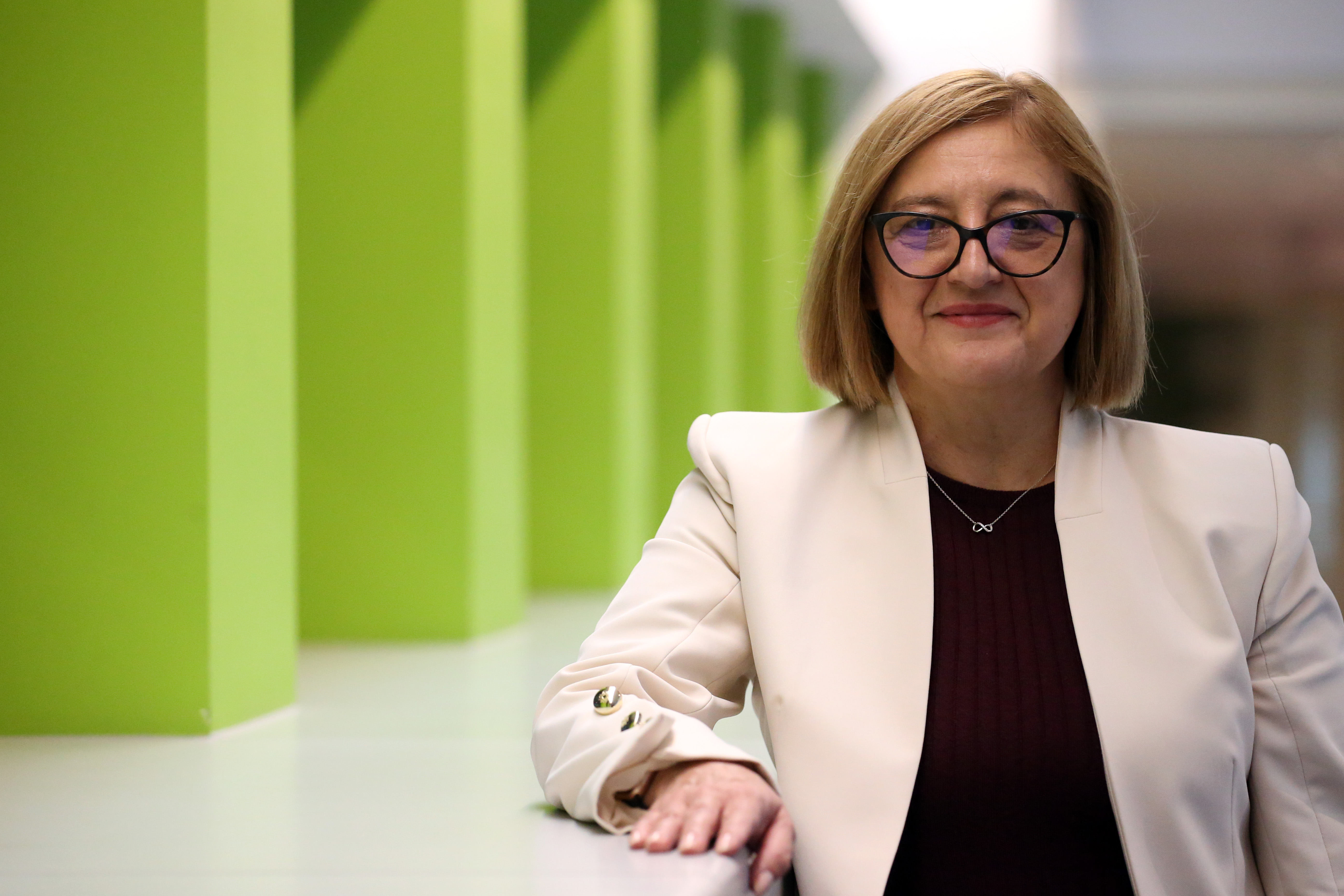
In an interview for KosovaPress, the Director of the Center of Excellence in Finance (CEF), Jana Repanšek, speaks about the concrete role of this organization, Kosovo’s progress, current challenges, and future perspectives. She also shares valuable advice for institutions and young people who aim to contribute to the development of the public and financial sectors.
The full written interview can be read below:
KosovaPress: Ms. Repanšek, what is CEF’s concrete role, and how does this organization influence the development of the financial sector in the region, including Kosovo?
Jana Repanšek: The CEF acts as a regional platform supporting the translation of reform priorities into practical and implementable outcomes. We work directly with ministries of finance, central banks, tax administrations, and audit institutions to strengthen public financial management systems.
Our role is to support institutions in turning EU priorities - such as fiscal stability, transparency, and accountability - into concrete policies, tools, and practices. Over the past 25 years, we have supported more than 120 institutions and engaged over 30,000 public officials in South East and East Europe, ensuring reforms are not only designed but also implemented effectively.
In the context of Kosovo, this includes supporting efforts related to stronger fiscal governance, better coordination and communication of reforms, and improved capacity to manage public resources in line with EU standards.
KosovaPress: How do you assess Kosovo’s progress in public financial management reforms in recent years?
Jana Repanšek: Kosovo has undertaken a series of important steps in recent years related to public financial management, including efforts in digitalization, tax administration improvements, and alignment with EU fiscal frameworks. The adoption of the Reform Agenda and participation in the EU Growth Plan represent ongoing policy developments in this area. However, continued attention is now being directed toward the implementation and operationalization of these reforms.
KosovaPress: What are the main challenges Kosovo is facing in strengthening fiscal transparency and accountability?
Jana Repanšek: Kosovo continues to navigate several considerations in strengthening fiscal transparency and accountability, including administrative capacity constraints, data quality aspects, and the complexity of coordinating reforms across institutions. Additionally, strengthening audit systems, improving monitoring mechanisms, and ensuring consistent implementation of anti-corruption measures remain crucial priorities.
KosovaPress: How is CEF specifically contributing to supporting Kosovo’s institutions on their path toward EU standards?
Jana Repanšek: The CEF provides very targeted, hands-on support. For example, we are working with Kosovo’s public institutions on assessing the fiscal impact of reforms in areas like digital and green transitions. We also organize specialized workshops - such as the upcoming auditing of reforms training in Prishtina - and support the development of tools for costing, monitoring, and evaluating reforms. Through regional and EU-funded initiatives such as the “Structural Reforms Better Integrated within Fiscal Frameworks” (FISR2) we help Kosovo better integrate structural reforms into fiscal planning processes and align with EU requirements.
KosovaPress: How important is Kosovo’s participation in regional initiatives such as FISR2?
Jana Repanšek: It is extremely important. These initiatives provide Kosovo opportunities for peer learning and exchange of practices with neighboring countries, as well as for comparing progress with regional peers. For example, under FISR2, countries significantly improved reform costing, fiscal impact assessments, monitoring, and transparency. Such regional cooperation can contribute to strengthening institutional capacity and supporting more informed reform processes in the context of EU integration.
KosovaPress: How can Kosovo’s professionals and institutions benefit from CEF programs and training?
Jana Repanšek: The CEF focuses on building practical skills and institutional capacity. Professionals benefit from applied training, peer exchanges, certification programs, and access to regional networks. A key aspect of this approach is working with teams rather than only individuals, which supports the internal sharing and retention of knowledge within institutions and contributes to more sustained capacity development over time.
KosovaPress: What role do internal and external audits and accounting reforms play in improving public governance in Kosovo?
Jana Repanšek: They are fundamental. Strong auditing and accounting systems ensure that public funds are used efficiently, transparently, and in line with the law. Reforms such as moving toward accrual accounting and strengthening of internal control systems improve decision-making, reduce risks, and build public trust in institutions.
KosovaPress: Do you think institutional capacities in Kosovo are sufficient to implement complex fiscal and economic reforms?
Jana Repanšek: There is a solid foundation, but further strengthening is needed. Ongoing efforts are directed toward areas such as staffing stability, coordination across institutions, and further strengthening of technical capacities to support the implementation of complex fiscal and economic reforms. The good news is that with continued investment in skills and systems, these gaps can be addressed relatively quickly. Kosovo has been investing in knowledge, so I am optimistic about institutional capacities.
KosovaPress: How can Kosovo benefit from the experiences of other countries in the region in public financial management?
Jana Repanšek: Regional experience can be a valuable reference point for Kosovo in the area of public financial management. Countries like Albania, North Macedonia and Montenegro have successfully implemented reforms in areas such as audit systems and fiscal planning. Through CEF’s peer learning approach, these experiences can be shared and adapted, allowing Kosovo to draw on tested solutions and build on existing knowledge within the region, rather than developing approaches entirely from the beginning.
KosovaPress: In what way do reforms in accounting and auditing directly impact Kosovo’s economic development?
Jana Repanšek: These reforms contribute to strengthening the credibility and transparency of public finances, which is an important factor for attracting investment and ensuring sustainable economic growth. Improved financial reporting and oversight also enable governments to allocate resources more effectively, including in areas such as infrastructure, social services, and economic development.
KosovaPress: How important is human capital development and preventing “brain drain” for the success of reforms in Kosovo?
Jana Repanšek: It is absolutely critical! Reforms are implemented by people, rather than systems alone. Through initiatives such as the EU-funded WeLead program, we focus on strengthening leadership, talent management, and retention within public institutions. Without skilled and motivated professionals, even the best-designed reforms cannot succeed.
KosovaPress: What are Kosovo’s key priorities in the coming years to build a more sustainable and reliable public financial system?
Jana Repanšek: For a reliable public finance system, it is important to continue strengthening the public financial management framework, including the legal and institutional setup, improving fiscal risk assessment, and further developing audit and accountability systems. Ongoing alignment with EU standards also remains relevant in this context. Equally important is improving coordination across institutions and ensuring consistent implementation of reforms.
KosovaPress: What are CEF’s main priorities for the coming years, and are there any concrete projects planned for Kosovo?
Jana Repanšek: The CEF will continue to focus on strengthening public financial management systems, supporting EU-oriented reforms, and building institutional capacity across the region. In the context of Kosovo, this includes continued support for the development of auditing and reform monitoring systems, as well as capacity development activities in areas such as green taxation, digital transformation, public asset management, administrative burden reduction, and anti-money laundering—all subject to availability of resources to support these projects.
KosovaPress: What message would you give to young people in Kosovo who want to build a career in finance and public administration?
Jana Repanšek: Public service offers a unique opportunity to make a real impact on society. My advice is to keep investing in skills development, stay curious, and engage in international learning opportunities. Commitment to transparency, innovation, and European values remains important for the sustainable and well-functioning development of public administration and public finance systems.
KosovaPress: In the context of global economic uncertainties, what advice would you give to Kosovo institutions for managing financial crises?
Jana Repanšek: Focus on building resilient institutions. Robust public financial management systems, sound fiscal policies, and transparent governance are the best safeguards against uncertainty. At the same time, continued investing in human capital, digitalization, and the green transition will position Kosovo for sustainable long-term growth.