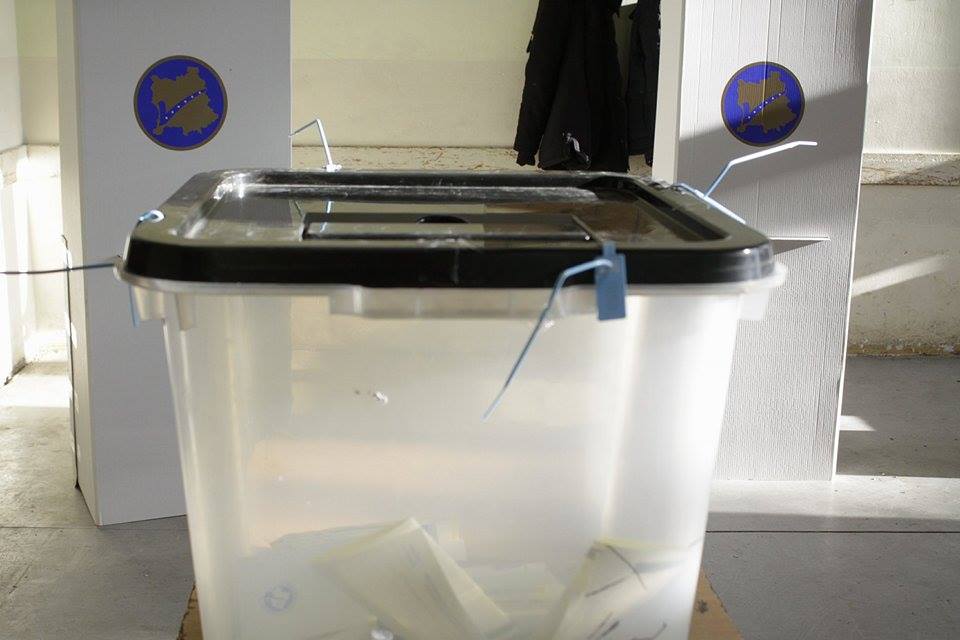
Chaos in Kosovo: Third elections within 16 months cost millions
The government and opposition in Kosovo have failed to reach even a minimal consensus, and the country is now facing its third parliamentary election within 16 months.
When a situation is deliberately pushed toward failure, even in the Western Balkans, others are always blamed. After the failure to elect a president, Kosovo Prime Minister Albin Kurti accused the opposition, saying that it “knows elections are not a solution” and that they “do not want to take responsibility, do not want power, and want to prevent us from having it as well.”
On the other hand, the opposition accuses the government of lacking willingness to cooperate. Former Minister for European Integration and vice president of the Democratic Party of Kosovo (PDK), Vlora Çitaku, stressed that Kurti and his party received only 51 percent of the vote, not 100 percent. According to her, the prime minister “does not recognize cooperation and compromise” and instead demands “submission,” something the PDK does not accept.
Lack of agreements between government and opposition
In Kosovo, independent since 2008, the president is elected by parliament rather than directly by the people. This requires a simple majority, but with the participation of at least two-thirds of the 120 lawmakers. Without cooperation from the opposition and representatives of minority communities, electing a president is almost impossible.
Five years ago, this was achieved with the election of Vjosa Osmani. But after his landslide victory in the snap elections in December, Kurti — considered a leader who does not easily accept advice — made no serious effort to reach an agreement with the opposition on a consensus candidate.
After limited and delayed talks with the Democratic Party of Kosovo and the Democratic League of Kosovo, the attempt to elect a president failed in early March. In this situation, President Vjosa Osmani dissolved parliament and called new elections. Although the Constitutional Court granted an extension until April 28, the election of the president failed once again.
Elections for the third time within 16 months
On Tuesday, acting president Albulena Haxhiu convened four voting sessions, but without success, as opposition lawmakers and members of the Serb List were absent.
Within 45 days, Kosovo citizens will once again vote for a new parliament — for the third time within 16 months. This situation is considered problematic not only because of the costs, which amount to millions of euros, but also because of the loss of time.
Kosovo also risks losing access to around 882 million euros in European Union funds, which depend on the implementation of reforms. With a dissolved parliament, this becomes almost impossible, writes Frankfurter Rundschau.
Nevertheless, regardless of the outcome of the upcoming elections, the new lawmakers will face the same problem: reaching an agreement on a presidential candidate who can be accepted by at least two-thirds of parliament.