British experts confirm concerns over proceedings in The Hague, says Kosovo's Ombudsperson
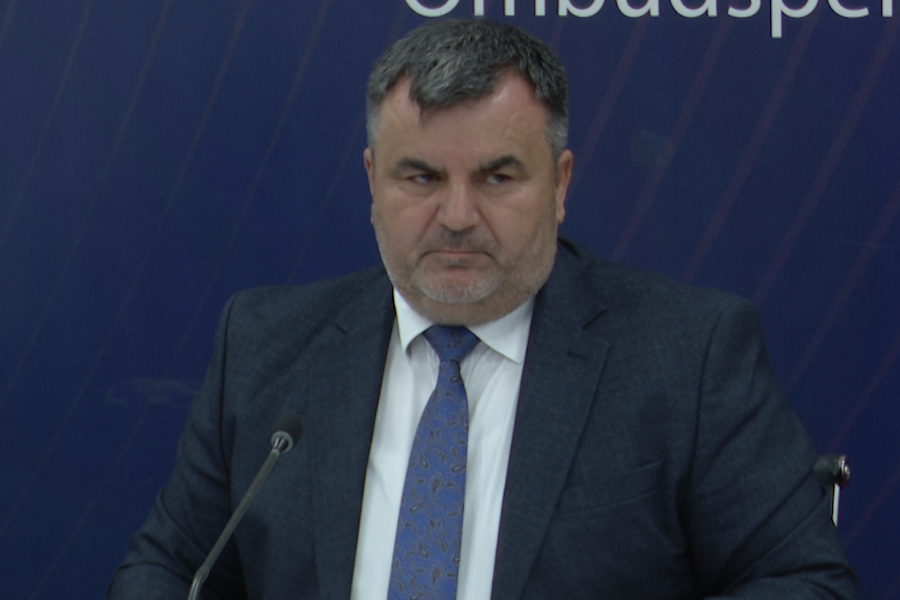
The Ombudsperson, Naim Qelaj, presented the preliminary report of the organization Bar Human Rights Committee of England and Wales regarding the functioning of the Kosovo Specialist Chambers and Specialist Prosecutor's Office.
The report identified serious concerns in what was described as a comprehensive document presented on Thursday in Prishtina. Among other findings, it concludes that the mandate of the Specialist Chambers has deviated from its original purpose.
The report highlights serious concerns regarding “the length of pre-trial detention, the lack of genuine opportunities for early release, and restrictions on family communications as well as professional communications with defense teams.”
The report was prepared by an independent legal organization based in the United Kingdom, involving British experts engaged at the request of the Ombudsperson Institution following concerns over alleged failures to respect human rights standards.
“Given all these concerns, observations, and doubts, and after receiving no response due to the Court’s lack of transparency, we engaged an independent, neutral, and professional authority to conduct a preliminary assessment of the identified issues and concerns that we had previously raised during meetings and in letters sent to the President of the Specialist Court. The organization was selected based on criteria ensuring professional expertise, impartiality, and integrity,” Qelaj initially said.
The report was received three days ago by the Ombudsperson Institution, and Qelaj stated that it confirms all the concerns he had raised earlier.
The report places particular emphasis on the issue of restrictions on the rights of detainees held at the detention center in Scheveningen, The Hague.
Speaking further at the press conference, he said the British experts’ report shows that systematic monitoring of communications constitutes interference.
“The report shows that systematic surveillance for other purposes constitutes interference under Article 8, and in conclusion the report assesses that this framework raises serious doubts about compatibility with Article 5 of the European Convention on Human Rights and Article 9 of the International Covenant on Civil and Political Rights. For us, this shows that the concerns we have consistently raised have not only been confirmed, but go even beyond those concerns, because the report naturally had the opportunity to investigate more broadly. Regarding jurisdiction, accountability, and institutional transparency, the report raises serious concerns over the lack of effective mechanisms of democratic oversight and institutional control. It identifies normative and procedural gaps regarding the court’s accountability to funding states and international partners,” he said.
Among other issues, the report also highlights statements made by former Specialist Prosecutor Jack Smith regarding life imprisonment for the former Kosovo Liberation Army leaders before the trial had even begun.
“The report notes statements attributed to Prosecutor Jack Smith, as well as to the President of the Specialist Court, referring to life imprisonment in 2021, and later assertions that if these individuals were released they could pose a danger and therefore should remain in detention — a conclusion made by the President of the Court herself. These raise serious concerns not only regarding the presumption of innocence, but also the integrity of the early release process and the lack of procedural transparency,” Qelaj said.
The British experts’ report also addresses the acceptance of evidence from Serbia, which Qelaj said creates “significant legal uncertainty.”
Ombudsperson Naim Qelaj stated that the main message of the report is “the urgent need to strengthen transparency, accountability, and independent oversight mechanisms in order to prevent these risks.”
He added that the report will be sent to local institutions, diplomatic missions, the Council of Europe, and the European Parliament.
The report by the Bar Human Rights Committee of England and Wales was commissioned due to concerns raised by the Ombudsperson over respect for fundamental rights within judicial proceedings at the Specialist Chambers in The Hague.
After identifying these alleged violations, Qelaj said the court had remained silent and had never provided any response.
Currently, six individuals have been indicted by the Specialist Chambers for alleged war crimes: Hashim Thaçi, Kadri Veseli, Jakup Krasniqi, Rexhep Selimi, Pjetër Shala, and Salih Mustafa. Shala has been sentenced to 13 years in prison, while Mustafa received a 15-year sentence.
The Kosovo Specialist Chambers and Specialist Prosecutor's Office are part of Kosovo’s judicial system but operate with international staff in The Hague. The European Union is the main financier of the court, which was established in 2015 by the Assembly of Kosovo following a request from the international community.