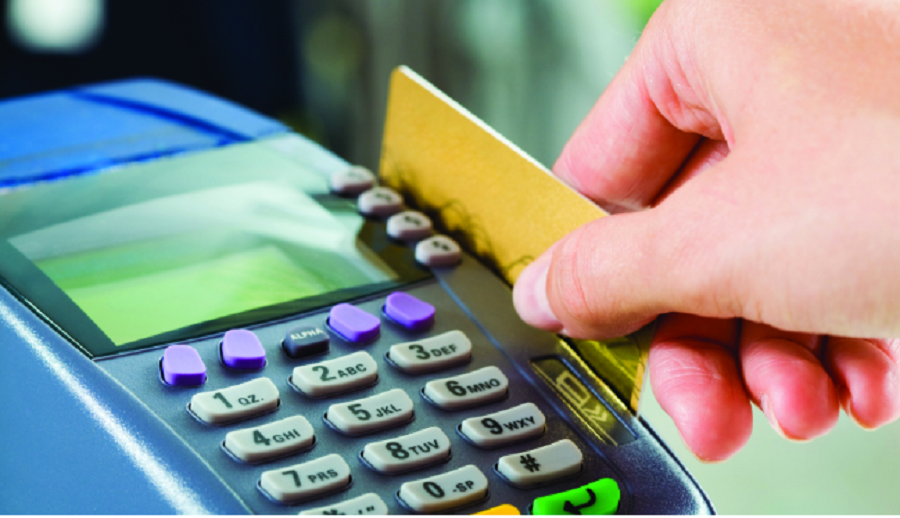
The use of bank cards for making payments and accessing services has increased. By the end of 2024, a total of 1,684,034 bank cards belonging to clients in Kosovo were reported, including debit cards, credit cards, and delayed debit cards issued to individuals and businesses.
In the total number of cards for 2024, data also include electronic money cards issued by Non-Banking Financial Institutions (NBFIs), totaling 75,482 cards.
According to the most recent population census, Kosovo has 1,585,590 inhabitants.
According to the Central Bank of Kosovo (CBK), compared to the end of 2023, the total number of client cards increased by 4.49 percent. The total number of cards at the end of 2023 was 1,611,723. During the same period, debit cards increased by 2.08 percent, while credit cards rose by 8.2 percent.
CBK reports that when analyzing the number of card transactions, results show that during 2024, the age group 26–35 years carried out the largest number of transactions using debit cards — of which 52 percent were made by men and 48 percent by women.
This may indicate that this age group has a higher tendency to use cards for payments, which could also be related to higher card ownership and more stable monthly income.
Credit cards allow their holders to make payments or withdraw cash up to a predefined limit set by the card issuer. The allowed credit can be repaid in full at the end of the predetermined period or in installments, according to the agreement with the bank, with interest applied by the bank on the utilized credit amount.
According to CBK, alongside the increase in the number of cards and based on the high number of internet users in Kosovo, online purchases (card payments) made through the internet have also increased.