Technology and AI are changing education, KPI brings American experience to Kosovo
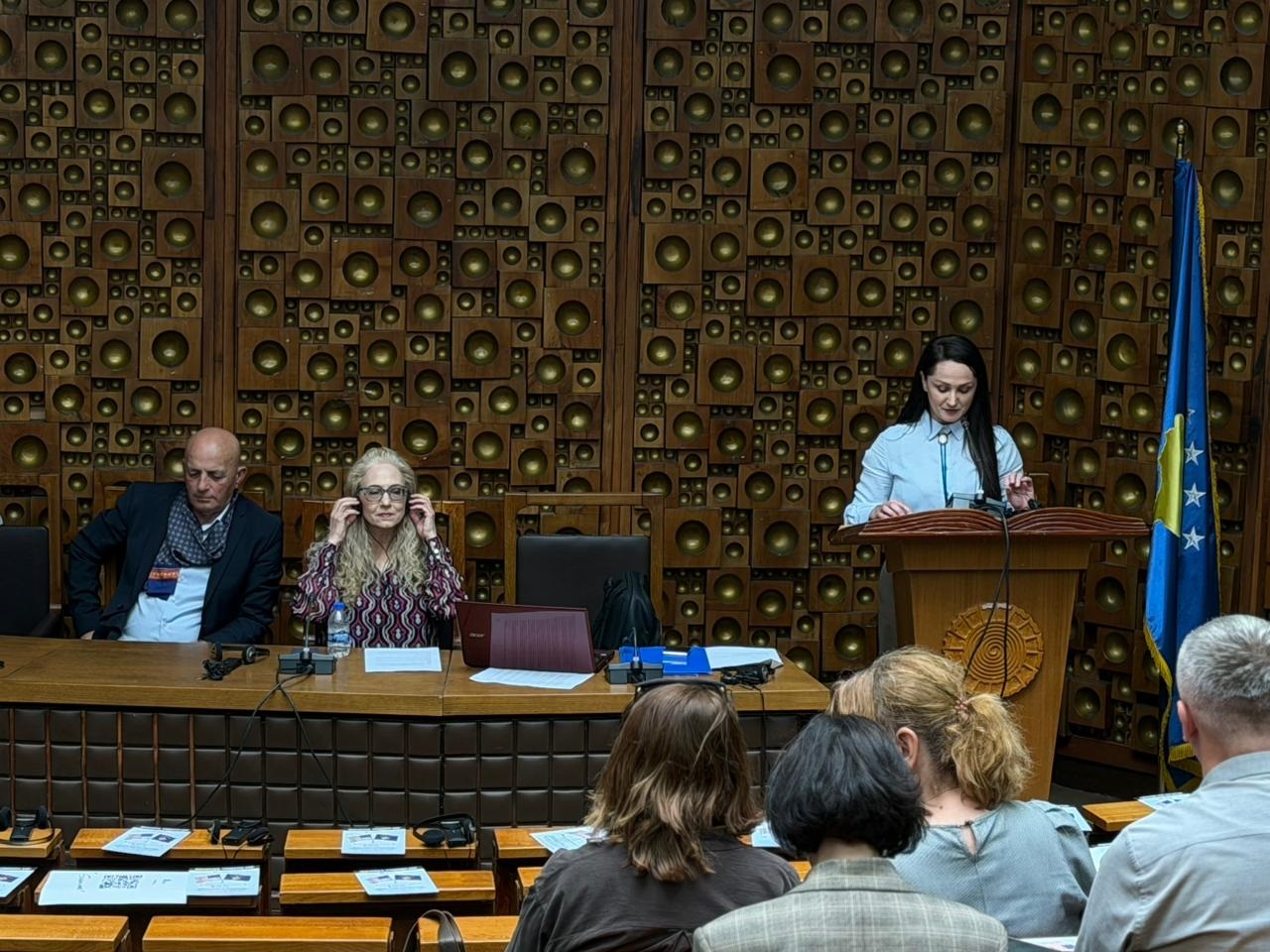
Rapid technological transformation and the impact of artificial intelligence in public institutions were the focus of an event organized by the Kosovo Pedagogical Institute (KPI), under the theme “Leadership of public institutions in the era of rapid technological change: an American perspective.”
The event highlighted the need for public institutions, especially educational ones, to lead with vision, ethics, and responsibility amid digital transformation.
KPI coordinator Amantina Kelmendi said the topic was not chosen randomly, noting that the institute’s mandate includes professional support for the education system and linking research with practice and institutional development.
“This topic was not chosen randomly. As an institution with a mandate to provide professional support to the education system, we connect research with practice and institutional development. The institute sees reflection on institutional leadership and the meaningful use of technology. At a time when technology and artificial intelligence are transforming the way we learn, work, and make decisions, we must consider how to lead with responsibility and ethics,” Kelmendi said.
As part of the Fulbright Specialist program, professor and director of online programs at Pennsylvania State University, Gina Whalen, spoke about her experience in higher education in the United States and the impact of technology on educational institutions.
“From my work in higher education in the United States, including my role as a professor and director of online programs at Pennsylvania State University, I have seen how quickly technology can change work in education. Digital platforms, online learning tools, data systems, and artificial intelligence are changing how educators teach, how students learn, and how institutions make decisions,” she said.
Whalen emphasized that technological change is not only a technical issue but also a human and institutional one, requiring continuous adaptation from public institutions.
“One of the clearest lessons from that work is that technological change is also human and institutional change. It affects people’s routines, expectations, trust, and sense of professional identity. It requires institutions to adapt while remaining rooted in their mission. Public institutions have a special responsibility in times of rapid technological change. They must modernize while remaining fair, accessible, ethical, and accountable,” Whalen said.
The event was organized by the Kosovo Pedagogical Institute within the Fulbright Specialist Program and the Freedom 250 initiative, which marks the 250th anniversary of the independence of the United States of America.
In this spirit, KPI chose to address a topic directly linked to its institutional mission: how public institutions, especially educational ones, should lead with vision in the era of rapid technological transformation.