Questions remain over Democratic League of Kosovo’s presidential votes, doubts emerge over deputies’ unity
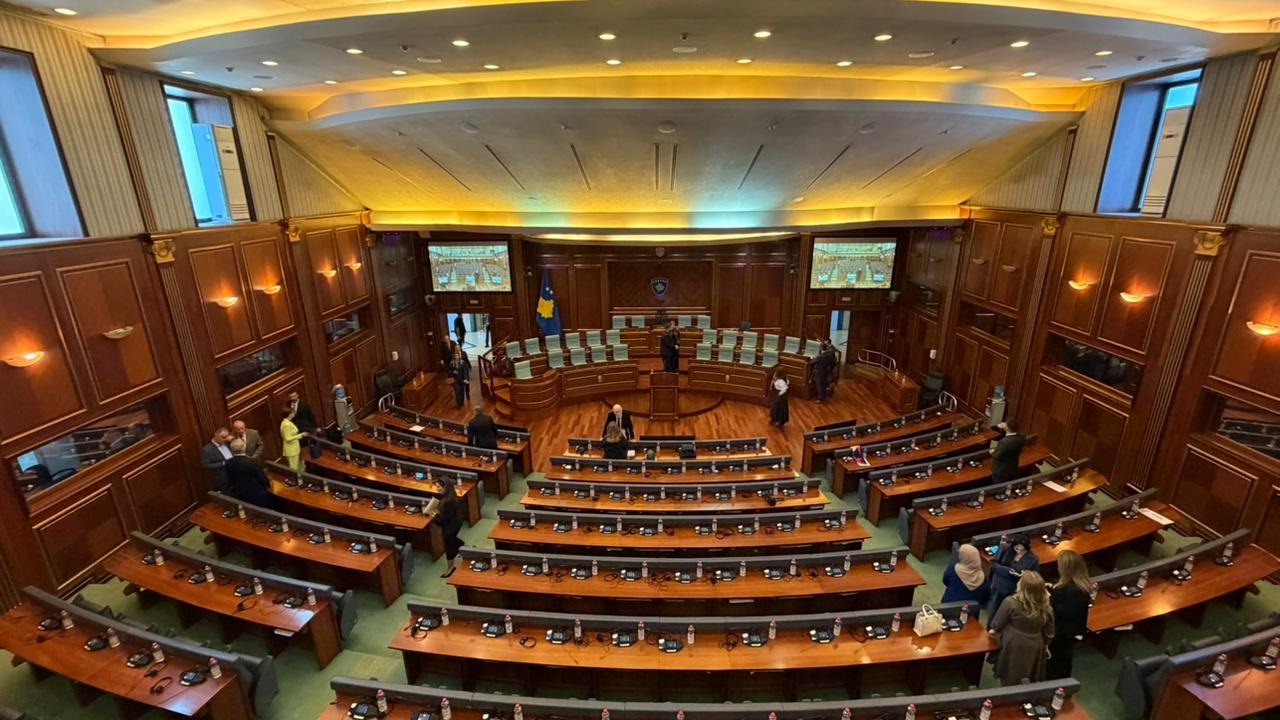
Recent developments within the Democratic League of Kosovo (LDK) are being seen as a factor that could affect the process of forming new institutions, particularly the election of the President of the Republic.
Despite the more than two-hour meeting between Vetëvendosje Movement leader Albin Kurti and LDK leader Lumir Abdixhiku, it remains unclear whether Abdixhiku will have the support of all 18 LDK MPs during the presidential election process.
Meanwhile, discussions have taken place within the LDK about the possibility of calling an extraordinary party assembly to seek a confidence vote for leader Lumir Abdixhiku, further intensifying debates over the party’s internal situation.
Vetëvendosje officials say developments within the LDK could directly affect the presidential election process, raising questions about the unity of the party’s MPs.
LVV MP-elect Adnan Rrustemi said LDK lawmakers are not fully united regarding the formation of new institutions.
“These developments within the LDK are relevant for third parties or external actors only to the extent that they affect the process of forming institutions, in this case the election of the President of the Republic. What is happening within the LDK could either contribute to or make the presidential election process more difficult. I cannot say exactly how it will affect it, but what I can say is that, at the beginning of these developments, there was an impression that there was a kind of internal struggle within the LDK over the direction the party should take. I believe that the LDK, as the third-largest party, is in a position where it must determine its role in the formation of institutions. I cannot know how it will influence the process, but it is true that the 18 LDK MPs are not completely homogeneous regarding the formation of institutions. However, they were not even united after December 28, when the LDK did not have 15 MPs for a specific candidate, Vjosa Osmani,” he said.
On the other hand, the LDK insists there are no divisions in its positions and that party leader Lumir Abdixhiku represents the common stance of the MPs.
LDK Secretary Ilir Ferati said that political decisions regarding discussions with LVV were determined by the party’s bodies before the meeting with Kurti.
Meanwhile, political analyst Blerim Canaj believes that, despite the official position of the LDK, the party leader does not have guaranteed support from all parliamentary group members for an important process such as the election of the President.
According to him, in a possible agreement between the LDK and LVV, support from LDK MPs could be more limited.
“Considering the situation the LDK is in and what is happening within the party, I can say freely that the LDK does not have more than eight to ten votes for the president. Regardless of whether they nominate Lumir or Vjosa, the question is how the other MPs who are dissatisfied, or vice versa, will act. The LDK is not an option,” Canaj said.
LVV leader and acting Prime Minister Albin Kurti met separately on July 10 with PDK leader Bedri Hamza and LDK leader Lumir Abdixhiku to discuss the formation of new institutions. Although no agreement was reached, according to Kurti, the talks will continue in the coming days.
The meetings followed the certification of election results by the Central Election Commission (CEC) on July 8. In these elections, Vetëvendosje emerged as the leading party with 47.13% of the vote, securing 53 seats in the Assembly. The Democratic Party of Kosovo (PDK) came second with 19.44% and 22 MPs. The LDK won 16.69% and 18 seats, while the Alliance secured 6.74% and seven seats. Non-majority communities secured 20 seats. /KosovaPress/