Foreign interference and artificial intelligence challenge electoral security in Kosovo
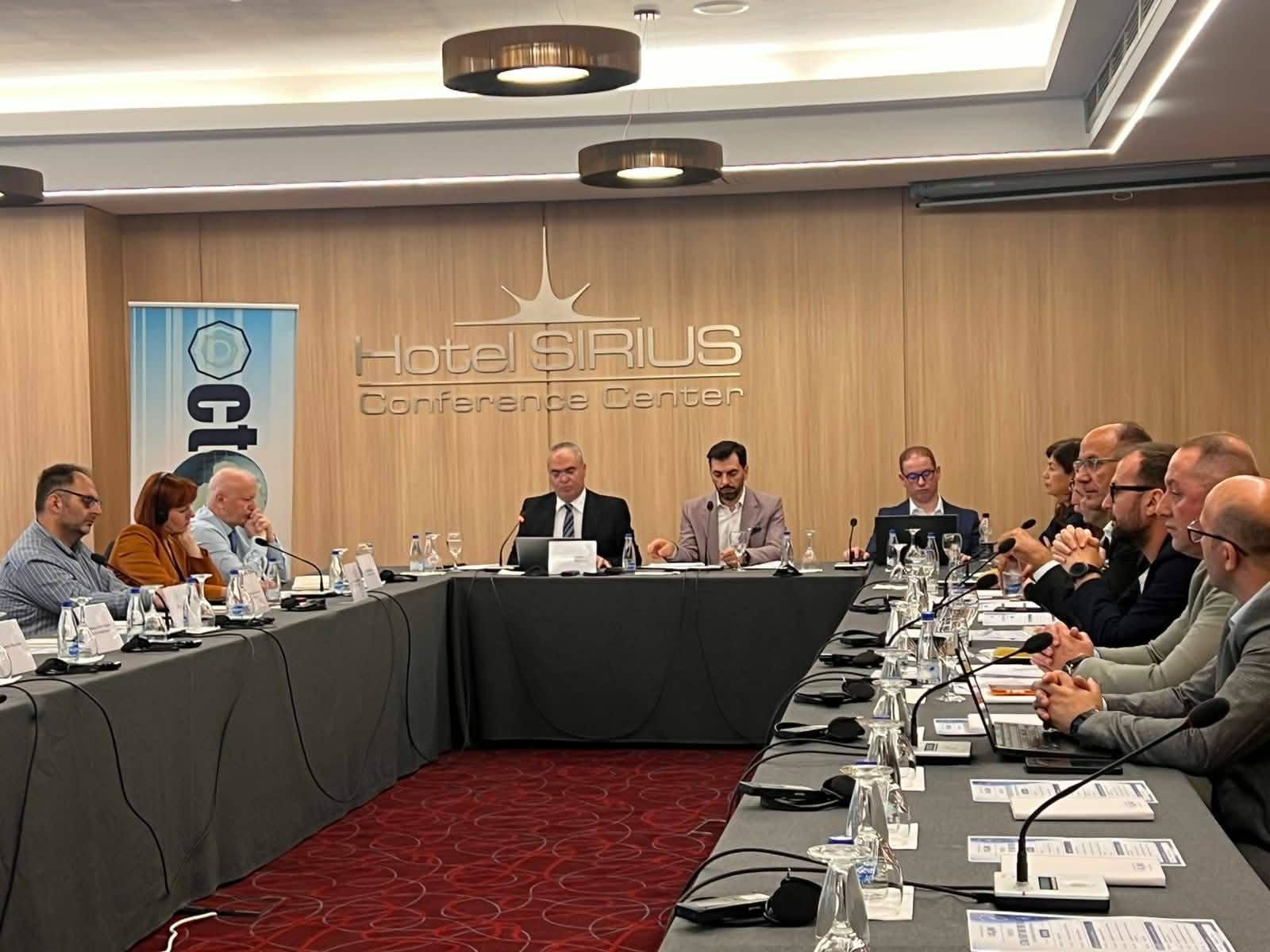
Within the framework of the 2026 Forum organized by the Hybrid Warfare Studies Institute “Octopus,” the second session focused on democratic resilience and the challenges posed by foreign interference in electoral processes in Kosovo.
Arian Starova from the Atlantic Council of Albania said that hybrid warfare has become increasingly difficult to counter due to the development of technology, artificial intelligence, and global competition.
According to him, interference in election campaigns directly affects citizens’ will and distorts the vote through artificial methods.
Starova emphasized that non-governmental organizations, political parties, and the media must be more active and investigative regarding foreign interference and the ways in which it is carried out.
Meanwhile, Gani Zogaj from the Information Society Agency (ASHI) said that cybersecurity in elections has become a critical challenge, as democratic processes increasingly depend on digital systems.
He warned that cyberattacks, disinformation, and unauthorized access can undermine electoral integrity and public trust.
According to Zogaj, international and regional experiences show that these threats directly affect institutional stability, while the development of artificial intelligence is making them even more complex and harder to manage.
Professor Alban Zeneli from the Institute of Media also spoke about electoral integrity in the media, calling for media education to become a compulsory subject in pre-university education.
He said citizens must be equipped with skills to deal with disinformation and information disorder, while credible media should be clearly distinguished from actors that misuse journalism formats for disinformation.
Zeneli criticized the lack of reforms in this area, saying that despite 17 years of advocacy for media education, changes have progressed very slowly.
Meanwhile, Professor Gjon Çulaj said that electoral processes are part of the state’s critical infrastructure and are directly linked to national security.
He stressed that Serbia continues to exert hybrid influence on Kosovo, attempting to shape international perceptions of Kosovo as a non-functional state and obstruct integration processes.
According to him, the political use of the Serb community through local actors remains one of the forms of hybrid influence.
However, Culaj assessed that Kosovo institutions have managed to organize free and democratic elections, although political polarization remains an internal challenge for the country.