
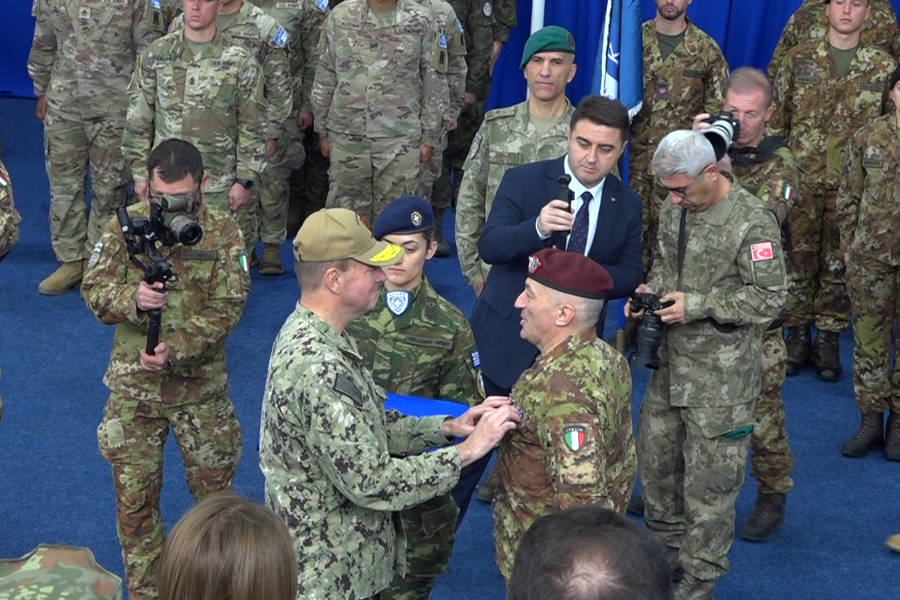
At an official ceremony at the NATO mission headquarters in Kosovo – KFOR, at the “Film City” camp in Pristina, the KFOR command changed, with Turkish Army Major General Özkan Ulutas returning to lead the KFOR command.
At this ceremony, attended by the country’s top officials and representatives from the diplomatic corps, it was stated that security in Kosovo has significantly improved, but there are some concerns due to unresolved issues between Kosovo and Serbia, reports KosovaPress.
The outgoing KFOR commander, from the Italian army, General Enrico Barduani, said that the dialogue between Kosovo and Serbia is a framework for resolving open issues.
“Of course, the security situation has improved significantly since the beginning of KFOR, and tangible evidence of this is the fact that today KFOR forces have been reduced to less than 10% of what they were in 1999, an important achievement. However, there are still concerns about security losses due to some unresolved issues, and this is why KFOR’s role remains critical, and why it is essential that KFOR be seen as an integral part of the ongoing engagement of the international community. NATO continues to fully support the EU-facilitated dialogue for the normalization of relations between Belgrade and Pristina, and KFOR is playing its role in this regard. This dialogue is a framework to resolve open issues and to achieve solutions that respect the rights of all communities. This is essential for long-term stability,” he said.
According to him, moving forward it is important that Kosovo and Serbia implement existing agreements, and that both sides show flexibility to make the necessary compromises.
“But to move forward, as NATO Secretary General Mark Rutte has consistently emphasized, it is important that Belgrade and Pristina implement existing agreements, and that both sides show flexibility to make the necessary compromises. Wise politicians must care for the welfare of their people and for the future of their countries. Therefore, they must be willing to make compromises… If we look at the international security scenario today, I am convinced that now, more than ever, we need political leadership to pursue long-term solutions for many unresolved issues that still affect Kosovo and the region,” he emphasized.
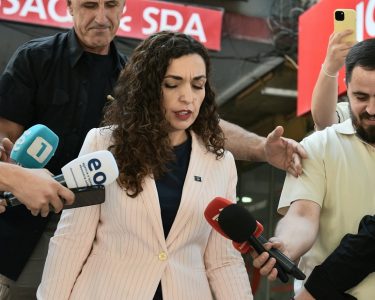
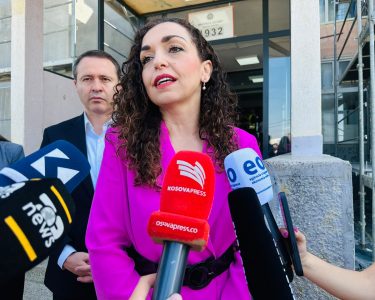
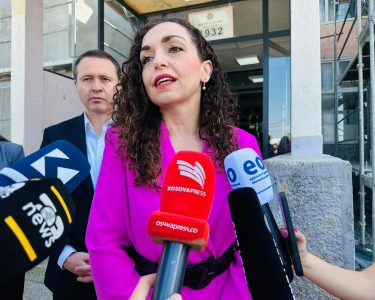
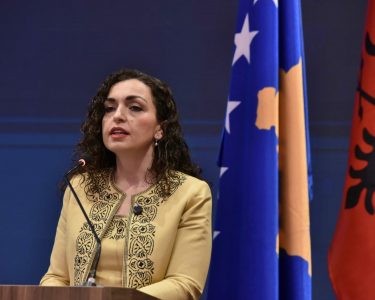
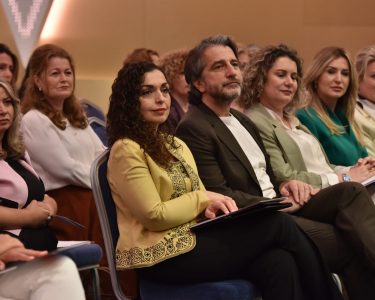
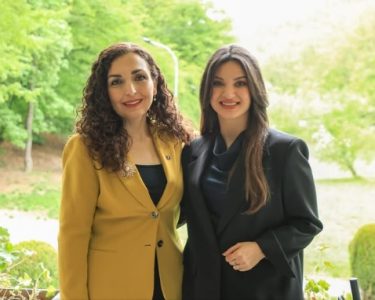
Also present at this ceremony was the President of Kosovo, Vjosa Osmani, who thanked the KFOR peacekeeping mission, which for two decades has been the cornerstone of peace, security, and stability in Kosovo and the region.
Osmani emphasized that the people of Kosovo are aligned with the values of freedom and democracy, and therefore, she said, Kosovo’s aspiration to join NATO is not just a strategic choice, but a reflection of who we are.
“Kosovo will always remain grateful for your service, your sacrifice, and your unwavering commitment to peace. I hope that this mission continues to stand as a symbol of NATO’s sustained engagement and as a living promise that together, unity truly overcomes everything. This great cause, without a doubt, requires the effort of each of us. Historically, and even today, the people of the Republic of Kosovo have always been aligned with the values of freedom, democracy, and collective security. This is why our aspiration to join NATO is not just a strategic choice, but a reflection of who we are. At a time when threats to peace are increasing, the Alliance is stronger when it stands by partners who have truly demonstrated their commitment. Kosovo has done this continuously – through our resilience, our reforms, and the determination of our people. And we will continue to do this alongside our allies, because only together can we ensure that the peace earned with effort today becomes the lasting peace of tomorrow,” she emphasized.
Admiral of the Allied Command of Joint Forces in Naples, Stuart Munsch, emphasized that the KFOR peacekeeping mission in Kosovo has been committed to providing security.
According to him, diplomatic progress through dialogue between Kosovo and Serbia has been a major achievement.
“For more than a quarter of a century, KFOR has been committed to security conditions that enable and sustain hope. Diplomatic progress through EU-facilitated dialogue has been a major achievement in pursuing this dialogue. If this hope is to be realized, ultimately it depends on the hands of elected officials in Serbia and institutions in Kosovo, and importantly, on the hands of citizens who vote for these officials and their choices…. The trust that General Barduani has built between these groups and KFOR, and between neighboring countries and their armed forces with KFOR, has reduced tensions and prevented misunderstandings from becoming major issues. General Barduani, you have been an excellent representative for our NATO alliance,” he emphasized.
The returning KFOR commander, Özkan Ulutas, said he is ready to fulfill KFOR’s mission for sustainable peace in Kosovo and for regional stability.
“My priority during this period will be to ensure that KFOR’s mission to maintain a safe and calm environment for all communities in Kosovo, as well as to guarantee freedom of movement for the international community, continues to be carried out impartially and transparently, in close coordination with NATO political and military leaders. At all times, the safety of all KFOR personnel will remain the top priority,” he emphasized.
The Italian forces General, Enrico Barduani, took over as KFOR commander in October of last year, from Turkish Army General Özkan Ulutas, who has now returned to this position.