
With the global theme “Rights, Justice, Action,” the Agency for Gender Equality marked March 8 – International Women’s Day – highlighting the importance of advancing gender equality and protecting women’s rights in Kosovo.
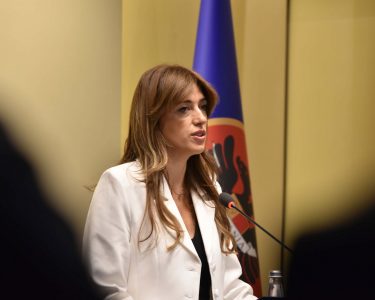
Speaker of the Kosovo Assembly Albulena Haxhiu stated that the way a country treats women and girls reflects its values. She emphasized that women’s rights are the result of long-standing efforts and actions over the years.
Haxhiu added that although Kosovo has made progress in gender equality, many women still face violence, economic inequality, and barriers in decision-making and the labor market, pledging that the Assembly will strengthen oversight over the implementation of laws.
“The way a country treats its women and girls is the most honest reflection of its values. History has taught us that women’s rights are not a gift. They are the result of action… Kosovo has made significant progress in building a legal framework for gender equality, but reality reminds us that the work does not end with the adoption of laws. Many women continue to face domestic violence, economic inequality, and barriers to access in decision-making, as well as in the labor market. As Speaker of the Assembly of the Republic of Kosovo, I am committed to strengthening parliamentary oversight mechanisms and reminding the relevant institutions of their responsibility to enforce the laws. Ultimately, the goal of all this effort is for the progress we talk about to become visible and tangible for the girls and women of this country,” she said.
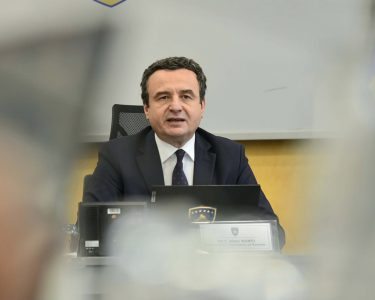
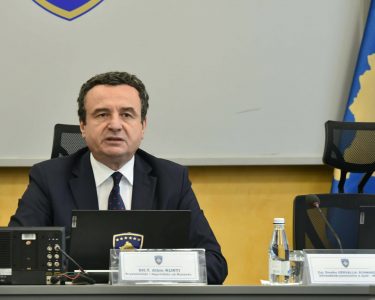
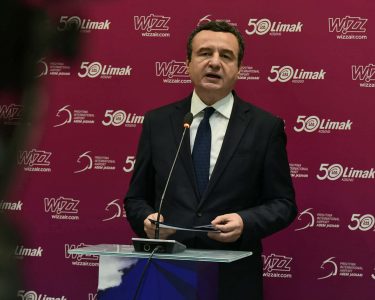
Kosovo Prime Minister Albin Kurti stated that equal justice is a responsibility of the Republic of Kosovo and that gender-based violence will not be tolerated.
“This means that domestic violence and discrimination are not tolerated, justified, or hidden, but are criminally pursued and prevented. A democracy cannot be strong if half of its population is underrepresented. It means zero tolerance for gender-based violence. Not just declarations, but implemented protective orders. Perpetrators of violence are held accountable, survivors are supported with accessible legal and shelter services, along with economic opportunities. It means labor laws that guarantee equal pay for equal work, healthcare that respects the dignity of women, and family law that protects equality, as well as justice institutions free from prejudice and influence,” he said.
Kosovo has a strong and admirable tradition of women’s activism and leadership, said Deputy Head of the EU Office in Kosovo, Eva Palatova.
Still, there is a long way to go, according to her.
“Advancing women’s rights, ensuring equal opportunities, and protecting women from violence are not only social priorities. They are also indicators of strong democratic institutions and a functional rule-of-law state. Kosovo has made significant progress over the years. At the same time, major challenges remain, particularly in ensuring that all women and girls live free from violence and discrimination. Recent court decisions in Kosovo have sent important and positive signals in this regard,” she said.
Executive Director of the Agency for Gender Equaliy Edi Gusia, stressed that today, more than ever, when the world is witnessing a rollback on the gender equality agenda, continuous support and funding for this cause are necessary.
“Promoting the gender equality agenda requires commitment and daily engagement from all of us to implement the legal framework that guarantees gender equality systematically, with responsibility and accountability. Today, more than ever, as we face a global rollback on the gender equality agenda, we need systematic support for the path of this agenda. We need reaffirmation of the willingness to support, encourage, and fund this agenda. First, by showing solidarity with one another, engaging in gender justice, and especially supporting women’s organizations,” she said.