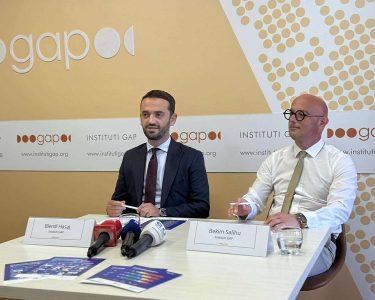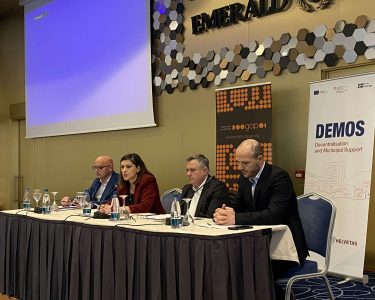
The GAP Institute published a report titled ‘Empowering Women and Ethnic Minority-Owned Businesses in Kosovo through E-Commerce.’ This report provides an analysis of the use of e-commerce by micro, small, and medium-sized businesses owned by women and ethnic minorities in Kosovo.
According to GAP, the findings are based on data collected through a comprehensive survey of 757 businesses, as well as information from focus groups and individual interviews with the owners of these businesses, KosovaPress reports.
“The findings show that 57% of businesses owned by women and 56% of businesses owned by ethnic minorities in Kosovo have an online presence. However, not all of them take advantage of this opportunity for e-commerce, with only 28% of businesses owned by women and 49% of businesses owned by ethnic minorities engaged in online sales. Social media platforms remain the main tools for promotion and customer interaction,” the report states.
GAP also notes that most of the businesses owned by women and ethnic minorities that use e-commerce operate in the wholesale and retail sectors.
“As for revenue generation, the survey findings show that these businesses generate less than 25% of their total revenue through e-commerce. Although their participation in e-commerce is increasing, the benefits from e-commerce remain relatively low,” the report says.
Furthermore, the report also highlights that the COVID-19 pandemic has significantly accelerated the use of e-commerce, with integrated platforms helping improve presence and increase sales for a considerable number of businesses.
“The report emphasizes the ongoing need for support in areas such as digital marketing, website development, and improving skills for managing social media,” the statement adds.
The GAP Institute calls on local and international institutions to support these businesses through customized training programs, subsidies for professional marketing services, and facilitating partnerships with e-commerce platforms.
“These measures will help empower the economic potential of women and ethnic minority-owned businesses, contributing to a more inclusive and sustainable economy in Kosovo,” the statement concludes.