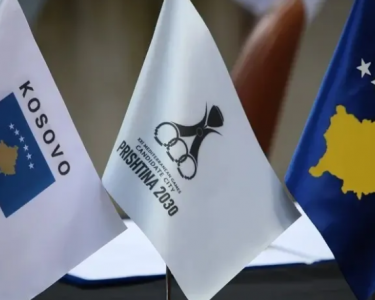

The approval of the Law on the Mediterranean Games is seen as a crucial step for continuing preparations for hosting this major sporting event, which is expected to take place in Pristina in 2030.
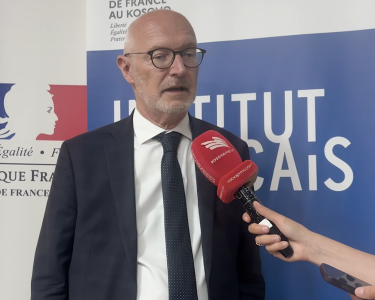
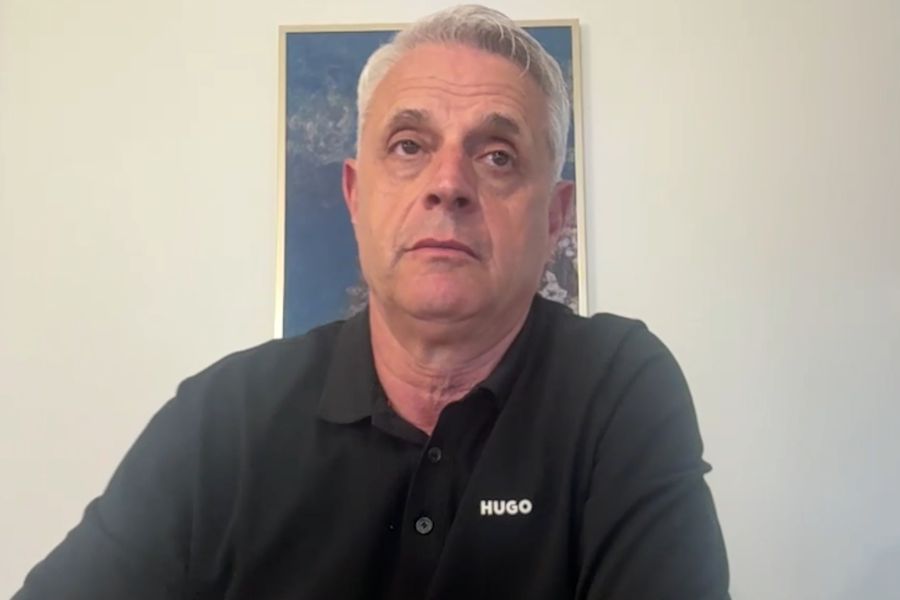
Former Kosovo Assembly MP Bylbyl Sokoli says that the necessary legal framework has now been created to move the project forward, despite the dissolution of the current legislature.
According to him, the most important aspect is that the process has not been blocked and that institutions now have a clear framework to continue planning in line with the organizing master plan.
In this context, Sokoli told KosovaPress that the adoption of the law was essential due to tight deadlines and the pace of preparations, stressing that this step ensures continuity of the project regardless of political developments in the country.
He adds that hosting the Mediterranean Games represents one of the largest international sports projects for Kosovo, with participation from three continents and special features, including co-organization with Albania, where sailing competitions will be held in Durrës.
Sokoli emphasizes that the infrastructure to be built must be sustainable and useful even after the Games are over, avoiding projects that would later remain unused and create unnecessary maintenance costs.
Regarding sports capacities, Sokoli believes that Kosovo does not need stadiums with very large capacities such as 50,000 or 60,000 seats, but rather more functional structures of 15,000 to 20,000 seats, arguing that maintenance costs for large stadiums would be unsustainable for a country the size and budget of Kosovo.
He says the priority should be stadiums that meet international standards and can serve the Mediterranean Games, mentioning that the “Adem Jashari” stadium could play a key role in the opening ceremony of the event.
“Everyone thinks we should have stadiums of 50,000, 60,000 spectators, 30,000 spectators. We need to be clear about one thing: we are a country of 1.5 to 2 million people and we need stadiums of maximum 15,000 to 20,000 seats. Because of maintenance costs, since a 15,000–20,000-seat stadium depending on quality costs between 3 to 15 million euros to maintain. For a small country, these amounts are very large. If we had 10 stadiums costing 7 million or 10 million each, we would need 100 million euros per year just for maintenance, which is very difficult to afford. It is a very heavy burden for us. Therefore, we first need stadiums that meet the criteria for opening and closing the Mediterranean Games… and in this direction we are working so that the ‘Adem Jashari’ stadium will be ready for the opening of the Mediterranean Games,” Sokoli said.
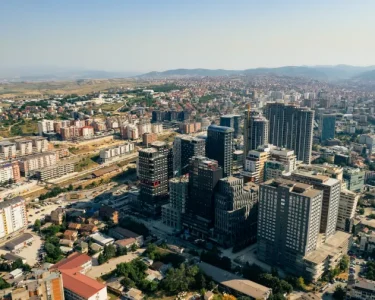
In 2030, Pristina is planned to host this major event, co-organized with Albania. For Kosovo, this will be the first time it takes on the organization of an international event of this level, placing the country on the map of major sporting hosts.
The organization of the Mediterranean Games is considered not only a sports project but also a development one, as it brings significant infrastructure investments and leaves a long-term legacy for sport and the community. For this reason, preparations for “Pristina 2030” are seen as a key moment for Kosovo’s sporting development and international image.