
The treatment of individuals with mental disorders in detention institutions is considered the most problematic and challenging issue for the Kosovo Correctional Service, the police, and the institutions where such individuals are held.
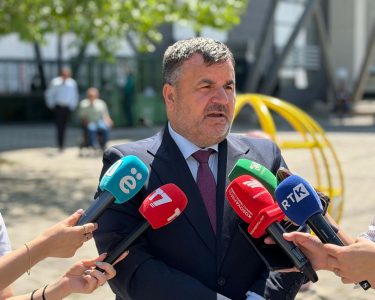
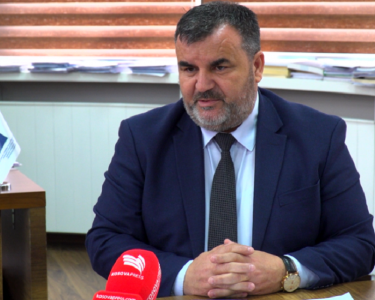
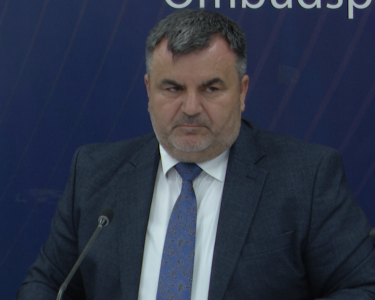
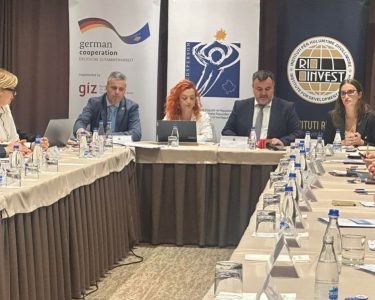
At the conference titled “Mental Health in Detention Institutions: The Role of NPMs in Protecting Rights and Ensuring Effective Oversight”, organized by the Institution of the Ombudsperson, the Ombudsperson Naim Qelaj stated that another concern lies in the harmonization of legislation and the lack of professional capacities.
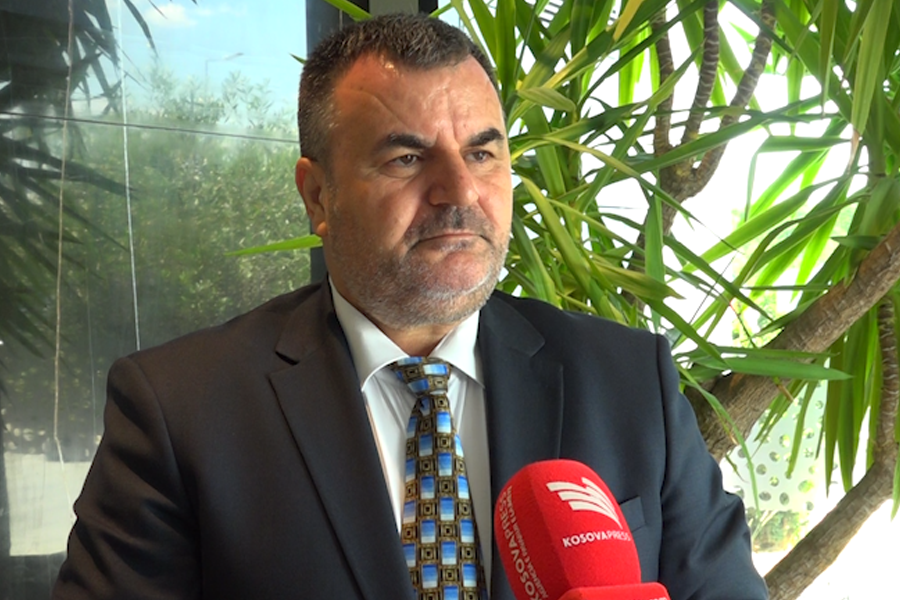
“From our research, it has emerged that the treatment of individuals with mental disorders is the most problematic and challenging part for institutions – the correctional institution, the Kosovo Correctional Service, the police, and the institutions where they are held. Another issue involves the harmonization of legislation, the lack of professional capacities, and problems related to the coordination and interaction between institutions,” Qelaj said.
He also added that the absence of a specialized institution for the mental health of prisoners is a major issue, particularly for treating those with substance dependencies.
“There is another problem in Kosovo – the lack of specialized institutions that would treat individuals with substance dependency and other substances. They are continuously treated in the same institutions as others with mental disorders, and this creates problems and challenges for the institutions. I believe that in the future there will be concrete steps to resolve this issue,” he added.
Meanwhile, an expert from the Council of Europe, Vladimir Ortakov, said that one of the main initiatives is the ongoing project to improve the treatment of persons deprived of liberty in Kosovo, in cooperation with the Ministry of Justice.
Ortakov stated that a number of trainings on human rights have been held, which have produced very positive results.
He emphasized that the level of knowledge among employees in detention institutions has significantly increased.