Kosovo is entering a historic phase with the organization of the 2030 Mediterranean Games, an event expected to bring significant sporting, economic, and political benefits to the country.
This event is seen as a rare opportunity to present the state on an international level and to raise the standards of local sports. Federations view it as a crucial moment to improve quality, while volleyball has already started concrete preparations.
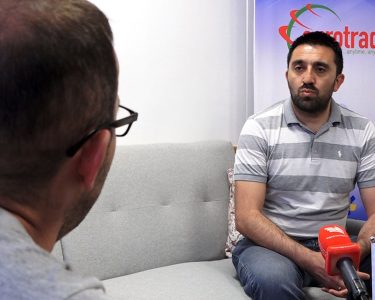
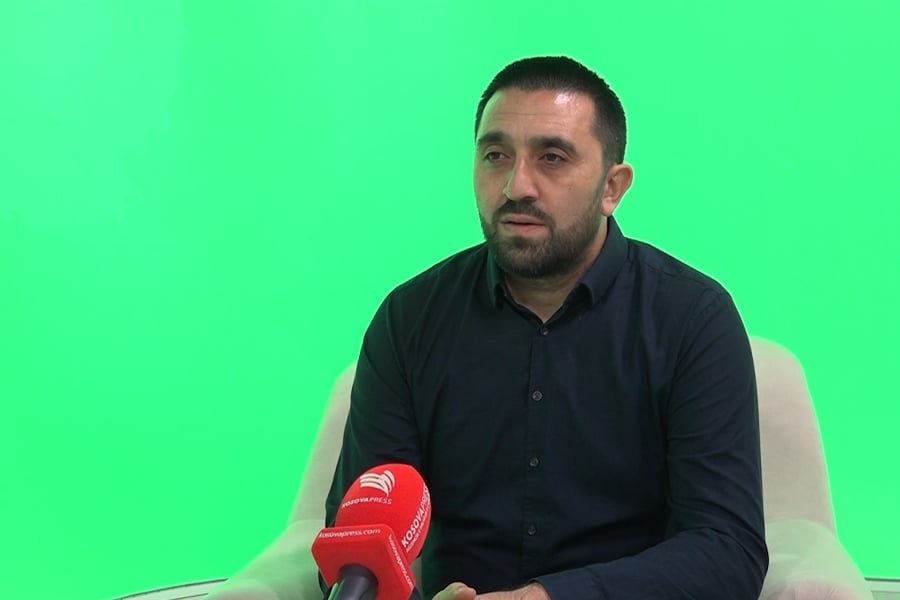
Valon Nikqi, Secretary of the Kosovo Volleyball Federation, told KosovaPress that sports federations in Kosovo welcomed the awarding of the Mediterranean Games with enthusiasm, beginning preparations for national teams well in advance.
“All federations welcomed the application and awarding of these games with great enthusiasm, as they are very important in every aspect, including for our federation. In fact, with the Deputy Minister (Daulina Osmani), we had a meeting earlier this year, around March or April, about some preparations and strategy creation by the federations, though not from an organizational perspective. We have been preparing our national teams even before receiving the Mediterranean Games, and now we are preparing for optimal performance,” Nikqi said.
Nikqi confirmed that Kosovo will compete with its strongest volleyball team at the Games, viewing this event as a national priority.
“Typically, strong countries that have developed volleyball and other sports sometimes send additional teams. For us in Kosovo, it is a priority to achieve the best results, and we will certainly compete with the A national team and our full potential. Although there will be strong national teams at the Mediterranean Games, making it challenging, we will make maximum efforts to be as successful as possible,” Nikqi stated.
According to him, the biggest challenges remain the lack of functional gyms and training facilities, making next year crucial for construction and infrastructure improvement.
“Some gyms have been built, but they may not serve any sport effectively. We have particular problems with volleyball teams in Pristina, lacking sports facilities for scheduling practices, and the same applies to other cities. Currently, in the winter season, there is a shortage of heated gyms. Earlier, we had a meeting to start preparing the U18 national teams, and one of our challenges is finding available gyms where our national teams can train under optimal conditions. I hope that next year and the following years will be crucial and that all these issues will be resolved,” Nikqi emphasized.
He noted that the Mediterranean Games will bring significant economic and political benefits, improving Kosovo’s image internationally.
“In terms of importance, these games are very significant in many aspects, economically and perhaps politically, because there are still countries and players who think Kosovo is underdeveloped, still at war, or unsafe. In this sense, the games are very important. For us in volleyball and for sport in Kosovo in general, hosting such events brings benefits in many areas. So every organized activity is welcome, especially in volleyball,” Nikqi stated.
The 2030 Mediterranean Games represent the largest sporting event Kosovo has ever undertaken, a critical test of the state’s organizational capacity, and a unique opportunity to invest in modern infrastructure, sports development, and international promotion.