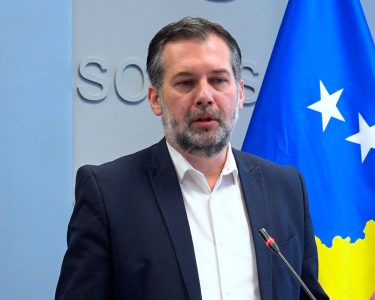

From January to July this year, 174 addresses in the Municipality of Preševo and 26 in Bujanovac have been deactivated, said the chairman of the Albanian National Council, Nevzad Luftiu.
“Frightening, we are disappearing,” he wrote on Facebook.
He stated that what is happening is racism and a clear case of ethnic cleansing.
“On August 4, 2025, I requested access to information from police stations in Bujanovac and Preševo, asking: How many addresses have been deactivated in these two municipalities from January to July 2025? I received a written response yesterday: during the aforementioned period, 174 addresses were deactivated in the Municipality of Preševo, and 26 in the Municipality of Bujanovac,” Luftiu wrote, adding that he is still awaiting another response to verify the data for Bujanovac.
He called on all Albanian political actors to gather “to coordinate and cooperate.”
Address deactivation has been regulated by law in Serbia since 2011 and requires institutions to verify whether a resident lives at the registered address.
The removal of citizens from registered addresses means deactivation. In this way, people lose the right to vote, own property, receive a pension, or be employed in Serbia.
Albanians living in municipalities in southern Serbia – Preševo, Medveđa, and Bujanovac – have long complained about address deactivation.
A 2021 report by the Helsinki Committee for Human Rights in Serbia stated that the issue of address deactivation is essentially a form of ethnic cleansing through administrative methods.