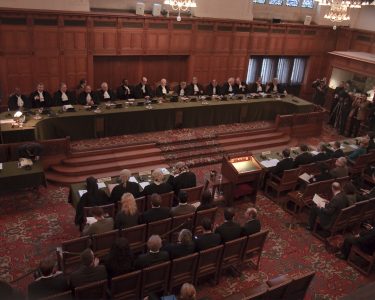
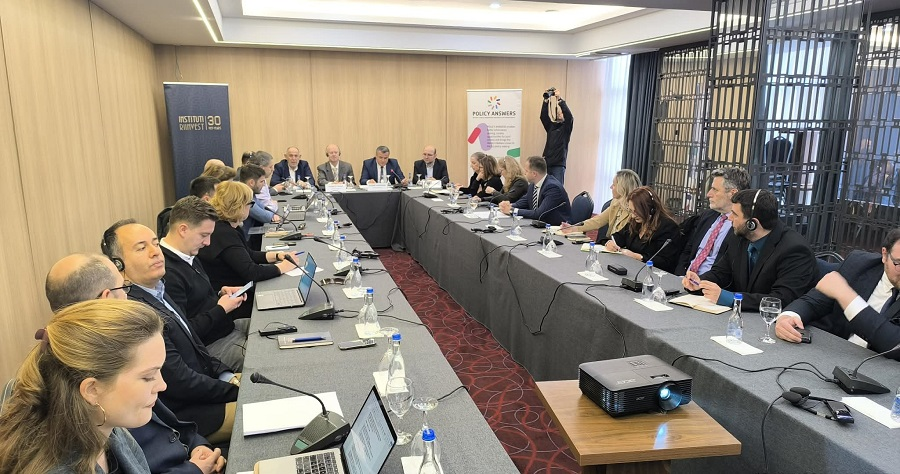
The Riinvest Institute organized a roundtable on the topic “Kosovo’s Participation in the Western Balkans Investment Framework,” discussing the importance of this financial instrument, challenges in implementation, and opportunities to improve institutional coordination to maximize fund utilization.
The aim of the roundtable was to address structural obstacles, identify gaps in coordination, and create a space for dialogue among stakeholders to strengthen institutional cooperation, as well as to improve the identification, preparation, and structuring of projects that could be supported through the Western Balkans Investment Framework.
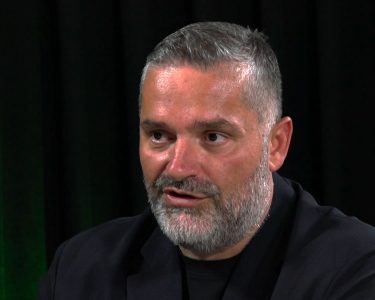
Alban Hashani, Executive Director of Riinvest, stated that the activity aims to contribute to addressing concrete issues related to this framework, linking it to both current and future projects of the institute.
“Our peaceful goal remains to identify structural obstacles, gaps in coordination, and concrete opportunities for improvement. It also aims to create a constructive dialogue space among stakeholders, focusing on strengthening institutional cooperation and improving the identification, preparation, and structuring of projects that can be supported through this framework. Riinvest is launching another project under Horizon Europe, and today’s activity can help identify concrete elements that could be addressed with the new project,” Hashani said.
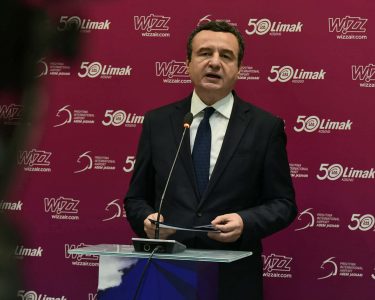
From the Prime Minister’s Office, Florim Canolli, Director of the Office for Development Cooperation, emphasized the benefits Kosovo has gained from this investment framework over the years, highlighting the high value of received funds and expectations for further increases.
“Since 2009, when the Western Balkans Investment Framework began, we have secured hundreds of millions in grants. There are also other grants awaiting final notification from the EU for the removal of conditions for the second phase, which will further increase the grants. The total value of investments, including project costs and other elements, reaches billions. So, we are dealing with an instrument that is extremely significant in terms of fund volume. This is expected to grow further in the future with the growth plan,” Canolli said.
Meanwhile, Hubert Perr, Head of Cooperation at the European Union Office, spoke about the Growth Plan and its main components, emphasizing access to the EU single market and additional financial support for the region.
“The Growth Plan has four components. One is better access to the single market, which I believe in itself is the most transformative driver for what we call unlocking the region’s growth potential and increasing convergence. So, access to the market is, in my view, the best tool Europe can provide. Above all, it also involves additional financing offered. One part is reform-based financing, meaning budget support and fiscal space provided to the government to achieve certain reforms. The other 50% of funds are now additionally allocated to further increase fiscal space for critical infrastructure and public sector investments, which will be implemented through the WBF,” Perr said.