
For the first time in 2025, the Oncology Clinic at the University Clinical Center of Kosovo (UCCK) has identified seven men affected by breast cancer, marking an increase compared to 2024, when only two such cases were recorded. Meanwhile, in total, during the past year approximately 2,100 new cancer cases among adults were registered, a figure almost identical to that of 2024, this, according to the management of the Oncology Clinic, is considered a stable trend.
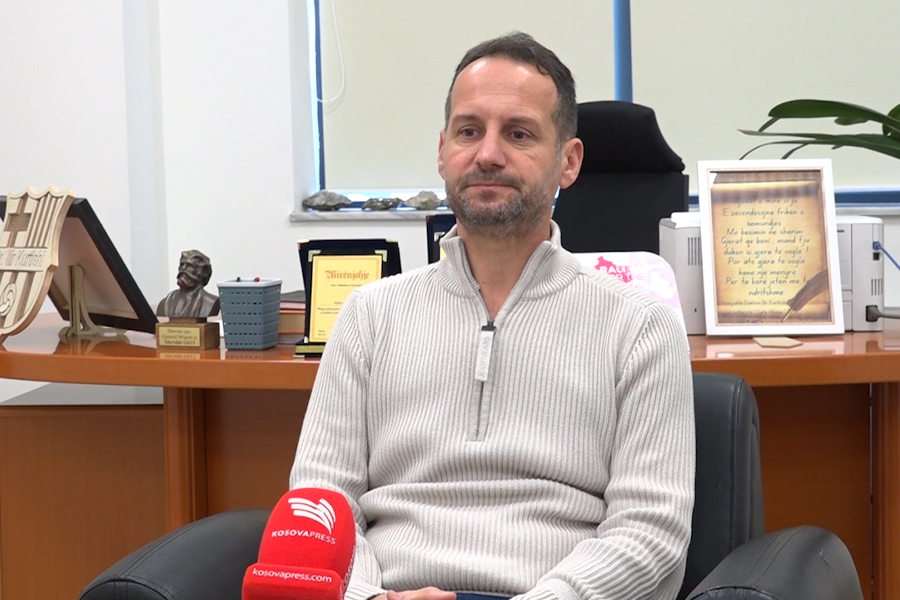
The Director of the Oncology Clinic at UCCK, Ilir Kurtishi, told KosovaPress in an interview that breast cancer continues to be the most frequent localization, with over 460 cases among women, in addition to the cases identified in men.
According to him, during 2025 lung tumors continue to dominate, especially among men, affecting more than 270 patients. Likewise, a considerable number of cases continue to be registered in tumors of the digestive tract, including cancers of the esophagus, stomach, pancreas, liver, and intestines, with particular emphasis on colorectal cancer, which together account for more than 450 patients.
Meanwhile, he notes that the daily patient flow remains high.
The Oncology Clinic currently has no waiting list for the services it provides, Ilir Kurtishi further emphasized.
Three new oncology specialists have been engaged at the clinic, which is expected to ease the workload, while the shortage of nurses continues to remain one of the main challenges.
He confirms that during 2025 there have been minor and temporary shortages, which according to him were mainly a consequence of issues with economic operators and tendering procedures.
A challenge, according to him, remains the supply of certain immunotherapy drugs that need to be secured by the state.
The Oncology Clinic also offers psychological services for patients, although capacities are limited due to the high influx of cases.
According to Kurtishi, early diagnosis, regular screening, and increased public awareness remain key factors in improving survival and quality of life for cancer patients, while continuous institutional support is needed to ensure innovative medicines and supportive services, including psychological care. /A. Shala/